
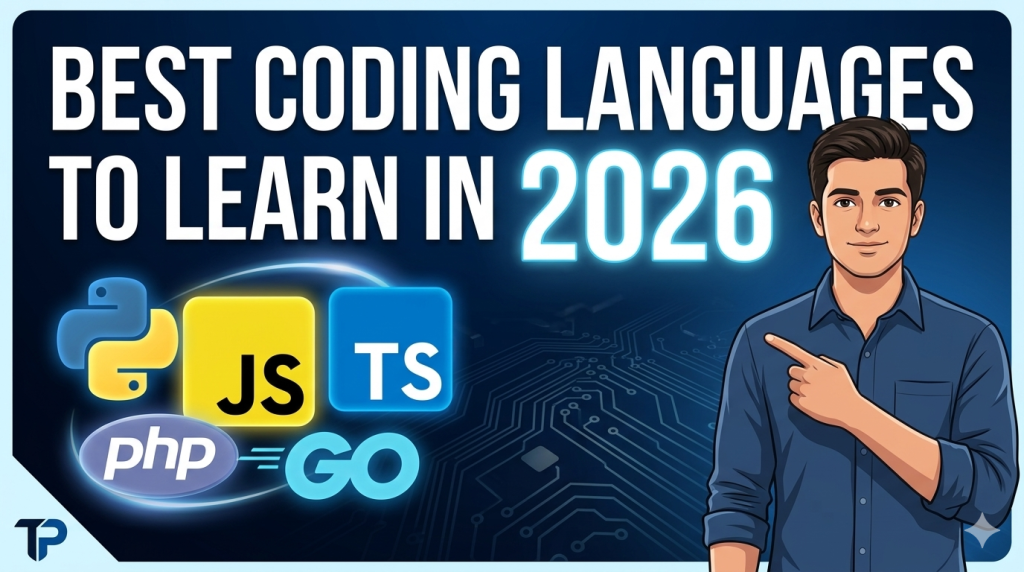
Programming languages are no longer just strings of code; they have become the fundamental architecture of our digital reality. As we navigate through 2026, the landscape of software development has shifted toward automation, artificial intelligence, and high-performance utility tools. For creators building platforms like ToolkitsPro or digital news portals, understanding which language to master is the difference between a static site and a dynamic, high-traffic ecosystem.
1. The Dominance of JavaScript and its Ecosystem
JavaScript remains the undisputed king of the web. If you are developing utility tools such as password generators, QR code makers, or age calculators, JavaScript is your primary weapon.
Why JavaScript Rules in 2026:
- Client-Side Efficiency: It allows tools to run directly in the user’s browser, ensuring privacy and speed without overloading the server.
- Versatility: With frameworks like React and Next.js, you can build seamless, single-page applications that feel like native mobile apps.
- Community Support: Being the most widely used language, finding solutions for complex logic is easier than ever.
For a developer focusing on high-performance tools, mastering JavaScript logic—specifically DOM manipulation and API integration—is essential for creating a “to-the-point” user interface.
2. Python: The Engine of Artificial Intelligence
In 2026, AI is integrated into every digital service. Python has solidified its place as the backbone of AI and machine learning.
- Data Processing: Python is used to analyze vast amounts of data, which is crucial for monitoring international news trends and economic shifts.
- Automation: If you plan to launch automated video production workflows or documentary-style content channels, Python scripts can automate the script-to-video process.
- Backend Stability: It provides a robust backend for complex utility platforms that require server-side calculations.
3. PHP and the WordPress Legacy
While newer languages gain traction, PHP remains vital because it powers over 40% of the internet via WordPress. For users managing sites with Elementor and custom headers, a working knowledge of PHP is a significant advantage.
- Customization: PHP allows you to go beyond the limitations of page builders to create unique features for your digital news portal.
- Monetization: Most affiliate marketing plugins for Amazon Associates or ClickBank are built on PHP, making it essential for troubleshooting monetization strategies.
4. TypeScript: Scaling Professional Projects
As projects grow from small toolkits to massive libraries with over 50 individual tools, the need for clean, error-free code becomes paramount. TypeScript, a superset of JavaScript, has become the industry standard for professional web development in 2026.
- Type Safety: It prevents common coding errors before the code is even run, saving hours of debugging.
- Better Tooling: Modern IDEs provide superior autocomplete and refactoring tools for TypeScript, making it a favorite for experienced developers.
5. Building for the Future: Mobile and Beyond
The shift toward mobile-first indexing means your tools must work perfectly on every device. Languages like Swift (for iOS) and Kotlin (for Android) are essential if you decide to transition your web-based toolkits into standalone mobile applications.
The Strategic Roadmap for Web Developers
To succeed in the current digital economy, one must balance technical skill with strategic branding. Using high-contrast color palettes like Navy Blue (#0d3d78) and high-quality utility logic ensures that users stay longer on your site, which is a key metric for AdSense approval.
Essential Skills for 2026:
- UI/UX Design: Prioritize minimal interfaces that remove unnecessary page titles to focus on the tool’s functionality.
- SEO Writing: Complement your tools with long-form articles (1500+ words) to avoid “thin content” penalties from search engines.
- Monetization Knowledge: Understand the nuances of promoting digital versus physical products through affiliate networks.
Final Thoughts
The world of coding in 2026 is not just about writing syntax; it’s about solving problems. Whether you are building an Age Calculator or a global news platform, the combination of the right language and a user-centric design is the formula for digital success.